

Tyler Martin, Attorney at Law
If you’ve recently been arrested for driving while impaired, you’re probably asking yourself: “What happens after a DWI arrest in MN?” The uncertainty can be overwhelming, especially if this is your first-time DWI in Minnesota.
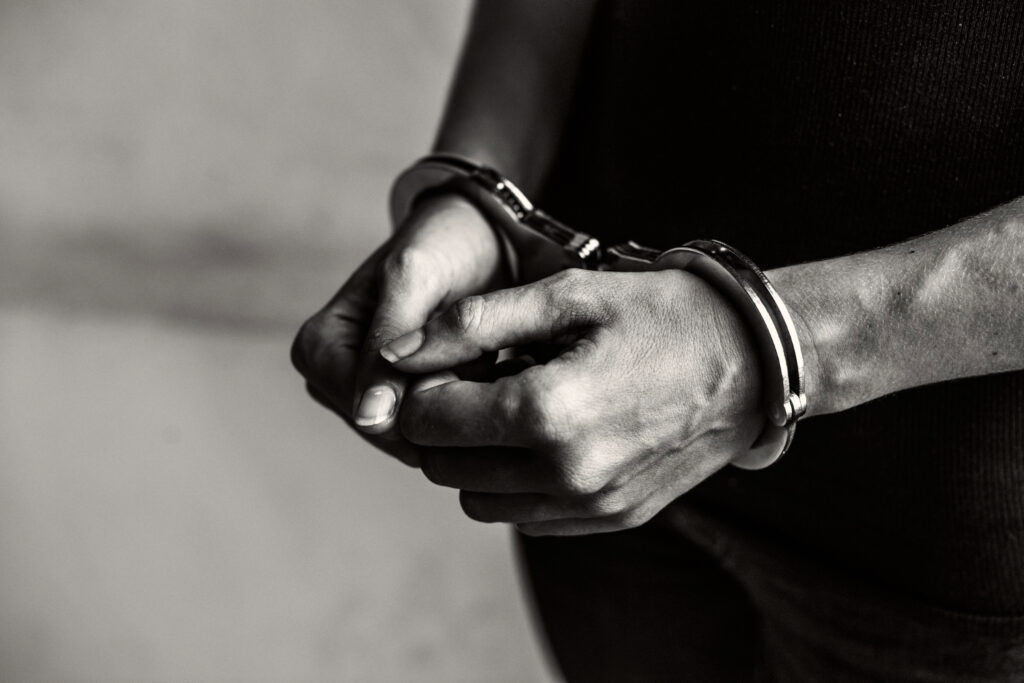
The reality is that a DWI charge can have immediate consequences that affect your driver’s license, your employment, your finances, and your future. However, an arrest does not mean you’re automatically guilty. Every case deserves a careful legal review, and the sooner you understand your rights, the better positioned you’ll be to protect them.
At Refuge Defense, we help people throughout Minnesota navigate DWI charges with honest advice, strategic representation, and aggressive advocacy.
Step 1: The DWI Arrest
Most Minnesota DWI cases begin with a traffic stop. An officer may stop a vehicle for speeding, weaving, equipment violations, or another traffic offense. During the stop, the officer will look for signs of impairment, such as the odor of alcohol, bloodshot eyes, slurred speech, or admissions of drinking.
The officer may ask you to perform field sobriety tests and take a preliminary breath test. If the officer believes there is probable cause that you were impaired, you will likely be arrested and transported for an evidentiary breath, blood, or urine test under Minnesota’s implied consent law.
Step 2: Your Driver’s License Could Be Suspended Immediately
One of the biggest surprises for many people is that a DWI affects more than just your criminal case. After a DWI arrest in Minnesota, the Department of Public Safety may begin an administrative process to revoke your driver’s license—even before your case is resolved in court.
Depending on factors such as your alcohol concentration, prior offenses, or whether chemical testing was refused, you may also face:
- License revocation or suspension.
- Ignition interlock program requirements.
- License plate impoundment (commonly known as “whiskey plates”).
- Vehicle forfeiture in severe or repeat cases.
These administrative consequences often move quickly, making it important to speak with a Minnesota DWI lawyer as soon as possible.
Step 3: Your First Court Appearance
Your first court hearing is called an arraignment. During this hearing, the judge will:
- Explain the criminal charges.
- Inform you of your constitutional rights.
- Discuss release conditions or bail.
- Schedule future court appearances.
If you hire an attorney early, your lawyer may be able to appear on your behalf for certain hearings, depending on the circumstances.
Step 4: Building Your Defense
Every DWI case should be carefully investigated. An experienced Minnesota DWI lawyer will examine:
- Whether the traffic stop was lawful.
- Whether the officer had probable cause.
- Police reports, body camera, and squad car video.
- Field sobriety testing procedures.
- Breath, blood, or urine test administration.
- Whether law enforcement followed all constitutional and statutory requirements.
Many people assume chemical test results cannot be challenged. That simply isn’t true. In some cases, legal issues involving the stop, arrest, testing procedures, or evidence collection can significantly affect the outcome.
Step 5: Negotiation, Motions, or Trial
Not every DWI case ends the same way. Depending on the facts, your attorney may:
- Negotiate with the prosecutor for reduced charges.
- File motions to suppress evidence.
- Challenge the legality of the stop or arrest.
- Seek dismissal or reduction of charges.
- Take the case to a judge or jury trial.
The right strategy depends on the unique facts of your case—not a one-size-fits-all approach.
Is a First-Time DWI in Minnesota Serious?
Yes. Although many first-time offenses are charged as misdemeanors, they should never be taken lightly.
A first-time DWI in Minnesota can still result in jail time, significant fines, probation, driver’s license consequences, mandatory chemical dependency assessments, increased insurance premiums, and a permanent criminal record. The exact penalties depend on several factors, including your alcohol concentration, whether there was a child in the vehicle, prior incidents, and other aggravating circumstances. Even if this is your first arrest, having an attorney review your case can make a meaningful difference.
What Should You Do After a DWI Arrest?
If you’ve been arrested for DWI:
- Stay respectful with law enforcement.
- Avoid discussing your case with anyone other than your attorney.
- Save every document you receive.
- Write down everything you remember while the details are still fresh.
- Contact a Minnesota DWI lawyer as soon as possible.
Early representation often gives your attorney the best opportunity to evaluate the evidence, preserve important information, and identify potential defenses.

Frequently Asked Questions
Should I hire a lawyer for a first-time DWI in Minnesota?
Even if this is your first offense, it’s worth speaking with an attorney. A lawyer can evaluate the evidence, explain the consequences, identify possible defenses, and guide you through both the criminal and administrative aspects of your case.
Will I lose my driver’s license?
Possibly. Many DWI arrests trigger administrative license consequences that are separate from the criminal case. The outcome depends on the specific facts of your situation.
Can a DWI charge be reduced or dismissed?
Every case is different. Some cases resolve through negotiated agreements, while others involve legal challenges to the evidence or proceed to trial. An attorney can advise you after reviewing the facts of your case.
Refuge Defense Is Here to Help
Being charged with DWI does not define your future. Whether you’re facing a first-time DWI in Minnesota or have prior offenses, you deserve an attorney who will thoroughly investigate your case, explain your options, and fight for the best possible outcome.
At Refuge Defense, we understand that good people can find themselves facing difficult situations. We take the time to listen, answer your questions, and build a defense strategy tailored to your case.
Do not wait until your next court date to get answers.
Pingback: When You Need a Minnesota Felony Defense Lawyer – Refuge Defense