
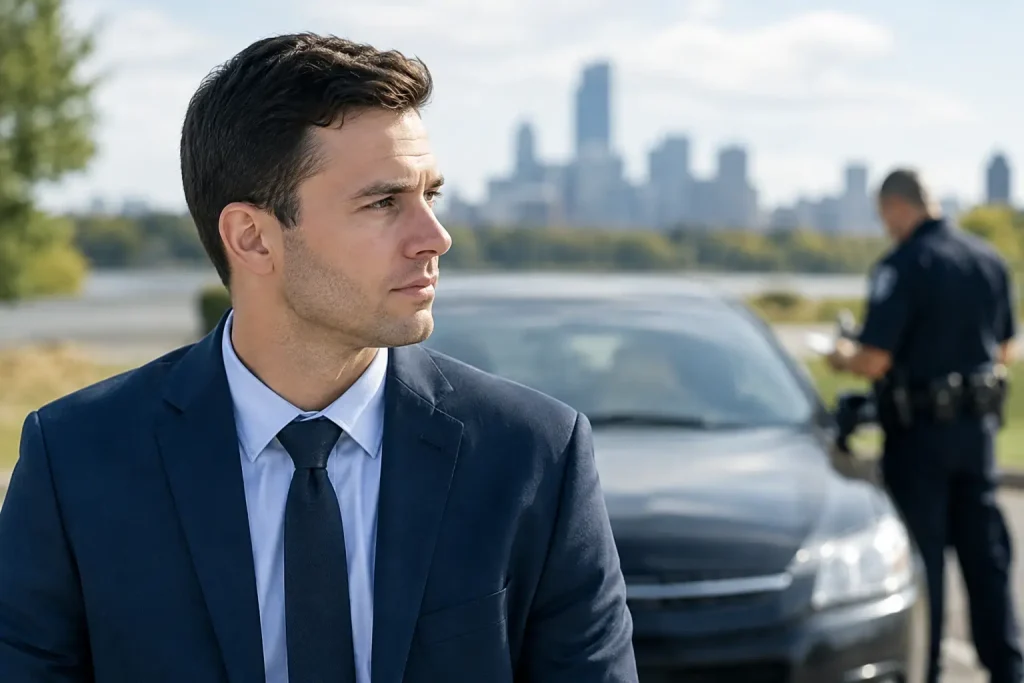
A DWI arrest can make the next few hours feel like a verdict on the rest of your life. It is not. Effective DWI defense begins by slowing down, protecting your rights, and examining what the state can actually prove – not simply accepting the officer’s conclusion.
In Minnesota, one incident can trigger two separate fights: a criminal DWI case and an administrative action against your driver’s license. A person may be worried about jail, a job, a professional license, custody arrangements, immigration consequences, or simply getting to work and caring for family. Those consequences are real. So is the opportunity to challenge the evidence early and strategically.
What Is at Stake After a Minnesota DWI Arrest?
Minnesota DWI allegations range from misdemeanor charges to gross misdemeanor and felony offenses. The level can depend on alleged alcohol concentration, prior qualified impaired-driving incidents, test refusal, the presence of a child in the vehicle, injuries, and other circumstances.
The criminal case is only part of the pressure. A test result or alleged refusal may lead to an immediate revocation or cancellation of driving privileges under Minnesota’s implied-consent laws. For many drivers, losing the ability to drive is the first crisis. It can threaten employment before they ever appear in court.
There is also a strict deadline to seek judicial review of a license revocation. In many Minnesota implied-consent cases, a petition must be filed within 60 days of receiving the notice and order. Missing that window can surrender an important chance to challenge the revocation, even while the criminal case continues. Do not assume a future court date protects your license. It may not.
The First Decisions Can Shape the Defense
What happens after a stop matters. What you say can matter just as much. Drivers often try to explain that they had only a drink or two, used cannabis days earlier, took a prescribed medication, or were tired after work. Those explanations may feel reasonable in the moment, but statements made under pressure can later be framed as admissions.
You should comply with lawful commands and provide required identification. But you do not need to volunteer a story that helps build the case against you. Remain calm. Remain respectful. Remain silent about facts that could be used against you until you have legal advice.
Minnesota drivers also face difficult decisions about field sobriety tests, preliminary breath tests, blood or urine testing, and alleged test refusal. There is no one-size-fits-all answer after the fact. The legal issues depend on the wording of the advisory, the timing of the request, whether a warrant was used, whether the driver had a reasonable opportunity to consult counsel, and the conduct of everyone involved.
A driver’s decision may be understandable and still legally contestable. The state must follow constitutional and statutory procedures. A defense lawyer’s job is to test those procedures rather than presume they were handled correctly.
A Strong DWI Defense Investigates the Stop First
The badge, squad video, breath-test printout, and police report can create an appearance of certainty. They are not the same as proof. A careful defense looks behind each document and asks where the state’s case began.
Was the Traffic Stop Lawful?
Police generally need a lawful basis to stop a vehicle. That might be an observed traffic violation, equipment issue, driving conduct, or a valid report from another person. But vague suspicion is not enough. If the stop was not supported by a lawful basis, evidence gathered afterward may be subject to challenge.
Video can be particularly important here. A report may describe weaving, speeding, or a lane violation. Footage may show something different, or may show conditions that make the officer’s interpretation less reliable. Snow, construction, poor lighting, a confusing intersection, or a momentary correction can change the analysis.
Did the Officer Have Grounds to Expand the Investigation?
A routine traffic stop should not automatically become a DWI investigation. The defense may examine the officer’s claimed signs of impairment, such as odor of alcohol, watery eyes, speech, balance, or confusion. Some observations are subjective. Others have innocent explanations, including allergies, fatigue, anxiety, injury, medical conditions, or the stress of being confronted by police late at night.
The question is not whether an officer can list signs on a report. The question is whether the total evidence supports the actions taken and the charge the state ultimately files.
Field Sobriety Tests Are Not a Perfect Measure of Impairment
Walk-and-turn, one-leg stand, and eye-movement testing are often presented as scientific proof. In reality, their reliability depends on how they were administered and interpreted. Uneven pavement, winter footwear, a shoulder injury, age, a neurological condition, language barriers, flashing emergency lights, and roadside anxiety can affect performance.
The horizontal gaze nystagmus test has its own technical requirements. An officer who moves the stimulus too quickly, uses improper positioning, or fails to account for environmental conditions can undermine the value of the observations. Video, body-camera footage, squad footage, dispatch records, and weather information can all matter.
A failed roadside test is not a conviction. It is evidence that must be challenged in context.
Chemical Tests Require More Than a Number
A breath, blood, or urine result may be central to the prosecution, but it should never be treated as beyond question. Breath testing can raise issues involving machine operation, observation periods, records, calibration, contamination, and the relationship between a measured result and the time of driving.
Blood testing may raise questions about the legal authority for the draw, handling of the sample, laboratory procedures, and the chain of custody. Urine tests can be especially complicated because they may not establish the same thing as a contemporaneous alcohol concentration.
Drug-impaired driving cases demand even closer scrutiny. THC can remain detectable long after its impairing effects have faded. Prescription medication can be lawfully used, and a drug’s presence does not automatically prove impaired driving. The state must still establish impairment or satisfy the specific legal standard charged. That distinction is critical for cannabis, prescription-drug, and mixed-substance cases.
Refusal Cases Need an Independent Defense Strategy
An allegation of chemical-test refusal is not merely a footnote to a DWI case. It can carry serious criminal and driver’s-license consequences. Yet a refusal case may involve several disputed issues: what the officer asked, whether the advisory was properly given, whether the driver’s response was truly a refusal, whether confusion played a role, and whether the driver was afforded required rights.
Sometimes a person asks to speak with a lawyer, struggles to understand the process, has a medical problem, or gives an answer that is not as clear as the report suggests. Audio and video are often essential. A written report may reduce a lengthy, stressful encounter to one sentence: “Driver refused.” The recording may tell a more complicated story.
Build the Defense Before the Case Hardens
Time can erase the evidence that helps you. Videos may be overwritten. Witness memories fade. Receipts, phone records, vehicle data, medical information, and surveillance footage can become harder to obtain. Early action gives the defense a better chance to preserve the facts.
That is why a serious DWI defense is not limited to appearing at the first hearing and asking for a favorable deal. Negotiation may be appropriate in some cases, but it should follow an informed investigation. The best leverage often comes from knowing the weaknesses in the stop, the testing process, the alleged impairment evidence, or the state’s ability to prove every required element.
Former prosecutors and law-enforcement professionals understand how a DWI case is assembled. That perspective can help identify assumptions that need to be tested, reports that need to be compared against video, and pressure points that may affect charging decisions, suppression motions, trial strategy, and license-restoration options.
What to Do Now
If you have been arrested, cited, or received a notice of revocation, protect yourself immediately. Keep every paper the officer gave you. Write down what you remember while the details are fresh, including the stop location, what was said, any medical conditions, and whether there may be witnesses or video. Do not discuss the facts on social media or with people who do not need to know.
Most of all, do not let fear make the decisions for you. A DWI charge is serious, but it is an accusation that must be proven through lawful evidence. The right defense can stand between one difficult night and consequences that follow you for years. Refuge Defense can help you assess the urgent deadlines, protect your license, and fight for the freedom and future at stake.