
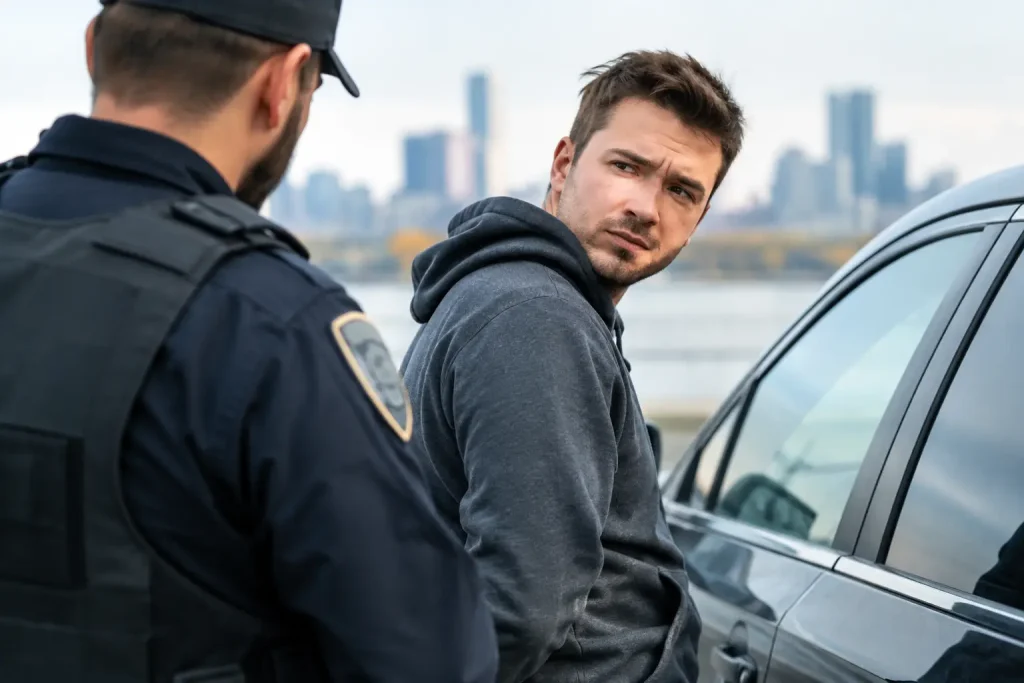
A drug charge can feel decided the moment police find a bag, a pill bottle, a pipe, or a substance in your car or home. It is not. Knowing how to defend a drug search starts with a hard truth: police must follow constitutional limits before the state can use what they found against you. A search that looks routine on a police report may rest on an unlawful stop, invalid consent, an overbroad warrant, or a leap from suspicion to probable cause.
The fight is rarely about one dramatic courtroom speech. It is about examining every decision officers made before, during, and after the search. When your freedom, license, job, family stability, and record are on the line, details are not technicalities. They are protection.
How to Defend a Drug Search: Start With Police Conduct
The Fourth Amendment and the Minnesota Constitution protect people from unreasonable searches and seizures. That does not mean police need a warrant for every search. It does mean they need a legally recognized basis for what they do. The state bears the burden of defending many police actions once a defense attorney properly challenges them.
A defense often begins before the drugs were allegedly found. Why did the officer stop the vehicle? Why did they approach the home? What information did they have? Did they detain someone longer than necessary? What exactly did the officer see, smell, or hear before deciding to search?
Police may make a traffic stop only when they have a valid legal reason, such as an observed traffic violation or reasonable suspicion of criminal activity. If the stated reason does not hold up on body-camera footage, squad video, dispatch records, or witness accounts, the stop itself may be vulnerable. When the stop falls, evidence found because of it may be subject to suppression.
The same principle applies to an encounter that begins as a conversation. An officer can generally speak with someone in a public place without a warrant or suspicion. But a voluntary conversation can become a detention if a reasonable person would not feel free to leave. The line matters. Police need greater justification to detain, frisk, or search than they do to ask questions.
A hunch is not probable cause
Probable cause is more than an officer’s instinct that something feels wrong. It requires facts that would lead a reasonable person to believe evidence of a crime will be found in the place searched. Courts look at the whole picture, but that does not give officers a blank check.
Cannabis law has made this issue especially important in Minnesota. The smell of cannabis, standing alone, does not automatically answer every probable-cause question. Legal possession and legal conduct may create innocent explanations for an odor or the presence of cannabis-related items. The precise facts, the timing of the stop, the officer’s observations, and the claimed offense all matter.
A careful defense tests whether the officer had actual, specific facts or simply turned an assumption into a search. That distinction can decide whether the evidence comes into court at all.
The Warrant Is Not the End of the Argument
When police search a home, they often rely on a warrant. A signed warrant can look final, but it is not beyond challenge. A judge must have been given enough reliable information to find probable cause, and the warrant must identify with reasonable particularity the place to be searched and the items officers may seize.
A drug-search defense may examine whether the warrant affidavit relied on stale information, an unverified informant, misleading statements, material omissions, or a weak connection between suspected activity and the location searched. For example, an allegation that someone possessed drugs weeks earlier does not necessarily establish that drugs would be in their apartment when police execute the warrant later.
The scope of the warrant matters, too. A warrant for a residence does not automatically authorize a search of every person who happens to be there. A warrant authorizing a search for a large item does not necessarily justify opening a tiny container. Officers may sometimes rely on exceptions, but those exceptions must be supported by facts, not convenience.
Digital devices deserve separate attention. A phone can contain years of private messages, photos, location information, financial records, and medical details. Seizing a phone and searching its contents are different events. In many cases, police need a warrant specifically authorizing the search of the phone’s data. The language of that warrant and the way investigators carried it out can be challenged.
Consent Searches Must Be Truly Voluntary
Police often write, “The defendant consented to a search.” That short sentence can conceal a great deal. Consent must be voluntary, not the product of coercion, threats, deception that overbears a person’s will, or a situation where someone reasonably believed they had no choice.
Officers are not generally required to tell you that you may refuse consent. Still, the lack of that warning can matter when a court considers the total circumstances. So can the number of officers present, whether weapons were visible, whether the person was handcuffed, the tone of the request, age, language barriers, and whether police claimed they would get a warrant regardless.
Consent also has limits. A person may agree to a search of a vehicle but not a locked bag, or allow officers into an entryway but not authorize a search of a bedroom. Consent can be withdrawn. If a search continued after consent was clearly limited or revoked, that issue may be central to the defense.
Do not try to debate the law on the roadside. Remain silent about ownership and possession, and do not consent to a search. A calm statement such as, “I do not consent to any searches,” preserves your position without escalating the encounter. Never physically interfere with officers, hide evidence, delete data, or ask another person to do so. Those actions can create new charges and make an already serious case worse.
Vehicle, Pat-Down, and Arrest Searches Have Different Rules
Police may search a vehicle without a warrant in certain circumstances, including when they have probable cause to believe it contains evidence of a crime. But a vehicle’s mobility does not erase the probable-cause requirement. A valid stop is not automatically a valid car search.
A pat-down is also limited. During an investigatory stop, an officer may frisk a person for weapons only when specific facts support a reasonable belief that the person is armed and dangerous. A frisk is not supposed to be a general search for drugs. If an officer reached into a pocket or container without legal justification, the defense should closely examine the basis claimed.
Searches incident to arrest are another frequent point of dispute. Police can search an arrested person’s body and areas immediately associated with that person, but the authority is not unlimited. Vehicle searches after an arrest, searches of bags, and the timing of the arrest can all affect whether evidence is admissible.
Inventory searches occur when police impound a vehicle or take property into custody. They are supposed to follow standardized procedures for safeguarding property, not serve as an excuse to investigate. Missing inventory forms, inconsistent reports, or a failure to follow department policy may expose a claimed inventory search as something else.
Finding Drugs Does Not Automatically Prove Possession
Even if a court allows the evidence, the state still must prove the charge beyond a reasonable doubt. Location alone is not always enough. Drugs found in a shared car, apartment, garage, or backpack raise questions about knowledge, control, and ownership.
Constructive possession cases are often more complicated than the prosecution suggests. Who had access to the place where the items were found? Were other people present? Was the item in plain view or hidden? Are there messages, fingerprints, admissions, or other evidence tying a specific person to it? A passenger should not become the owner of every item in a driver’s car merely because they were nearby.
The substance itself must also be proved. Lab testing, chain of custody, the weight alleged, and the distinction between a controlled substance and a lawful medication can all matter. A field test or an officer’s conclusion is not the final word.
What to Do After a Drug Search
The first hours after a search are not the time to explain, apologize, or persuade police that there has been a misunderstanding. Statements made under pressure can become the prosecution’s most useful evidence. Invoke your right to remain silent and ask for an attorney.
Then preserve what can protect you. Write down what happened while your memory is fresh: where officers stood, what they said, who was present, what they searched, whether they showed a warrant, and whether cameras may have recorded the event. Save documents, property receipts, citations, and the names of potential witnesses. Do not post about the case or discuss facts through texts, social media, or calls from jail.
An experienced Minnesota defense lawyer can move quickly to obtain video, dispatch audio, warrants, reports, lab records, and impound documents before evidence disappears or memories harden into the state’s version of events. At Refuge Defense, the work begins by treating the search as a constitutional event to be tested, not a fact to be surrendered to.
The state has power, resources, and a written report prepared to justify its actions. You still have rights. The sooner those rights are defended with discipline and urgency, the stronger your position can be.