

Tyler Martin, Attorney at Law
Being accused of a crime can be one of the most stressful experiences a person will ever face. Many people entering the criminal justice system have never been arrested before and have no idea what to expect.
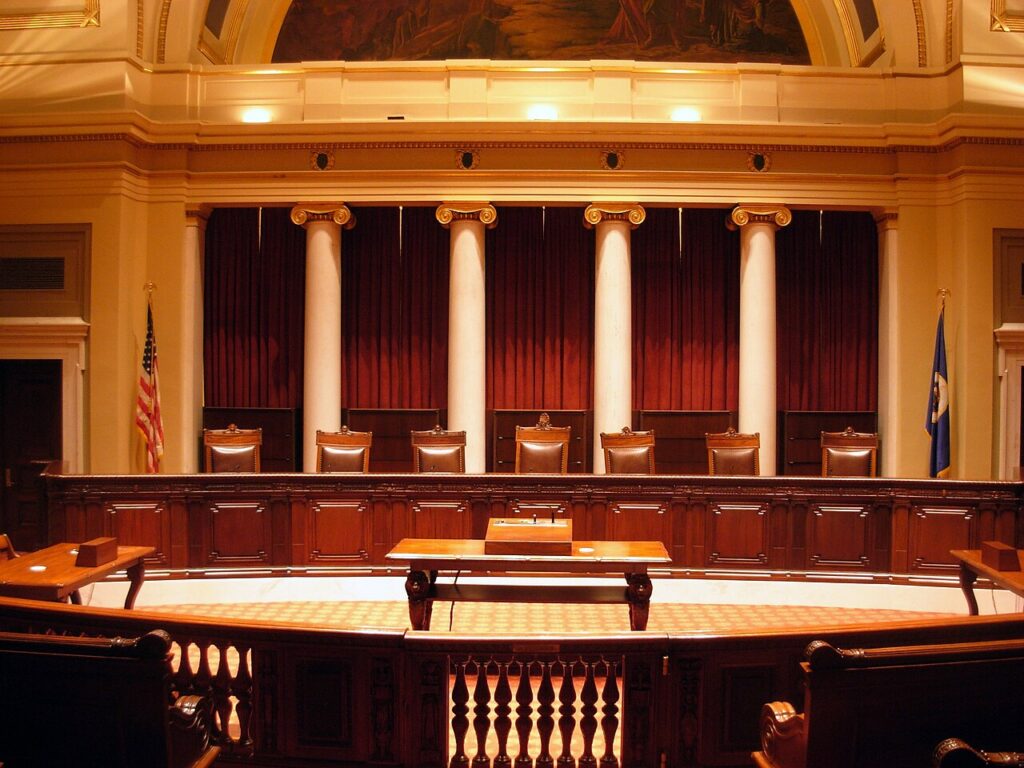
While every case is unique, understanding the basic process can help reduce uncertainty. At Refuge Defense, we believe that peace of mind starts with a practical and honest assessment of your case, allowing you to make informed decisions about your future instead of acting out of anxiety.
1. Investigation and Arrest
A criminal case often begins with a police investigation. Law enforcement may interview witnesses, collect evidence, review surveillance footage, or contact the person they suspect committed the offense.
In some cases, an arrest occurs immediately. In others, charges may be filed weeks or even months after the alleged incident. If law enforcement wants to speak with you about an investigation, it is generally wise to consult an attorney before answering any questions.
Following an arrest, a person may be booked into jail, photographed, fingerprinted, and held until a court appearance or release.
2. The First Court Appearance
The first court appearance is often called an Initial Appearance or First Appearance. During this hearing, the court will:
- Inform you of the charges against you.
- Advise you of your rights.
- Address conditions of release or bail.
- Schedule future court dates.
The judge is not deciding guilt or innocence at this stage. The purpose is simply to begin the formal court process and determine whether the person can remain out of custody while the case proceeds.
3. Arraignment
At an arraignment, the charges are formally presented, and the defendant enters a plea. In most cases, individuals initially plead not guilty while the defense attorney investigates the case and reviews the evidence.
A not guilty plea does not mean the case will automatically go to trial. Many cases are resolved through negotiations, motions, or other proceedings before a trial ever occurs.
4. Discovery and Case Investigation
One of the most important stages of a criminal case is discovery. During this phase, the prosecutor legally provides the evidence to the defense, which often includes:
- Police reports and witness statements.
- Body camera footage and surveillance videos.
- Laboratory results and photographs.
A defense attorney’s job is to carefully deconstruct this evidence, identify weaknesses in the prosecution’s case, and conduct an independent investigation when necessary.
5. Pretrial Hearings and Motions
Many cases involve pretrial hearings where legal issues are addressed before trial. Common issues include:
- Whether evidence was obtained legally.
- Whether statements made to police should be suppressed.
- Whether certain evidence or witness testimonies should be excluded.
Successful motions can significantly impact a case and, in some situations, may result in charges being reduced or dismissed.
6. Plea Negotiations
Most criminal cases in Minnesota are resolved through negotiated plea agreements rather than trials. A plea agreement may involve:
- Reduced charges or reduced sentencing exposure.
- Alternative sentencing options.
- Dismissal of certain counts.
Whether to accept a plea offer is ultimately the client’s decision. A defense attorney’s role is to explain the risks and benefits of each available option so the client can make an informed choice.
7. Trial
If a case cannot be resolved through negotiation, the defendant has the constitutional right to a trial. At trial, the prosecutor must prove every element of the offense beyond a reasonable doubt. The defendant is presumed innocent, and the burden remains entirely on the prosecution.
During trial, the prosecution presents its evidence, the defense has the right to cross-examine witnesses, and the jury (or judge) determines whether the prosecution has met its high burden of proof. If they fail to do so, the defendant must be found not guilty.

8. Sentencing
If a person pleads guilty or is found guilty after trial, the court will proceed to sentencing. Potential outcomes vary depending on the offense and the individual’s criminal history. Sentencing options may include probation, fines, community service, treatment programs, or jail time. In Minnesota, many offenses are governed by sentencing guidelines that help determine potential penalties.
9. Appeals and Post-Conviction Relief
A conviction does not always mean the case is over. In some situations, individuals may have the right to appeal a conviction, challenge legal errors made during the case, seek post-conviction relief, or request sentence modifications.
The Importance of Early Legal Representation
The decisions made in the early stages of a criminal case can have lasting consequences. Speaking with law enforcement, agreeing to searches, or appearing in court without understanding your rights can significantly affect the outcome.
If you are under investigation or have been charged with a crime in Minnesota, consulting with an experienced criminal defense attorney as early as possible puts you in the strongest position moving forward.
Contact Refuge Defense
A criminal accusation brings enough uncertainty; you don’t need an attorney who feeds into that anxiety. At Refuge Defense, we focus entirely on transparency. We provide a practical, realistic look at your case so you can stop guessing what happens next. We are here to give you the strategic backbone you need to regain your peace of mind.
📞 Call us today at (612) 238-1773 to schedule a professional, honest assessment of your case.
Pingback: When You Need a Minnesota Drug Crime Lawyer – Refuge Defense
Pingback: Responding to an Emergency OFP in Minnesota - Refuge Defense